Sizing · 5 min read
Helmet sizing: head circumference and fit systems
Where to measure your head for a helmet, how the fit system, pads and straps adjust it, and why each maker's own size table is the one to follow.
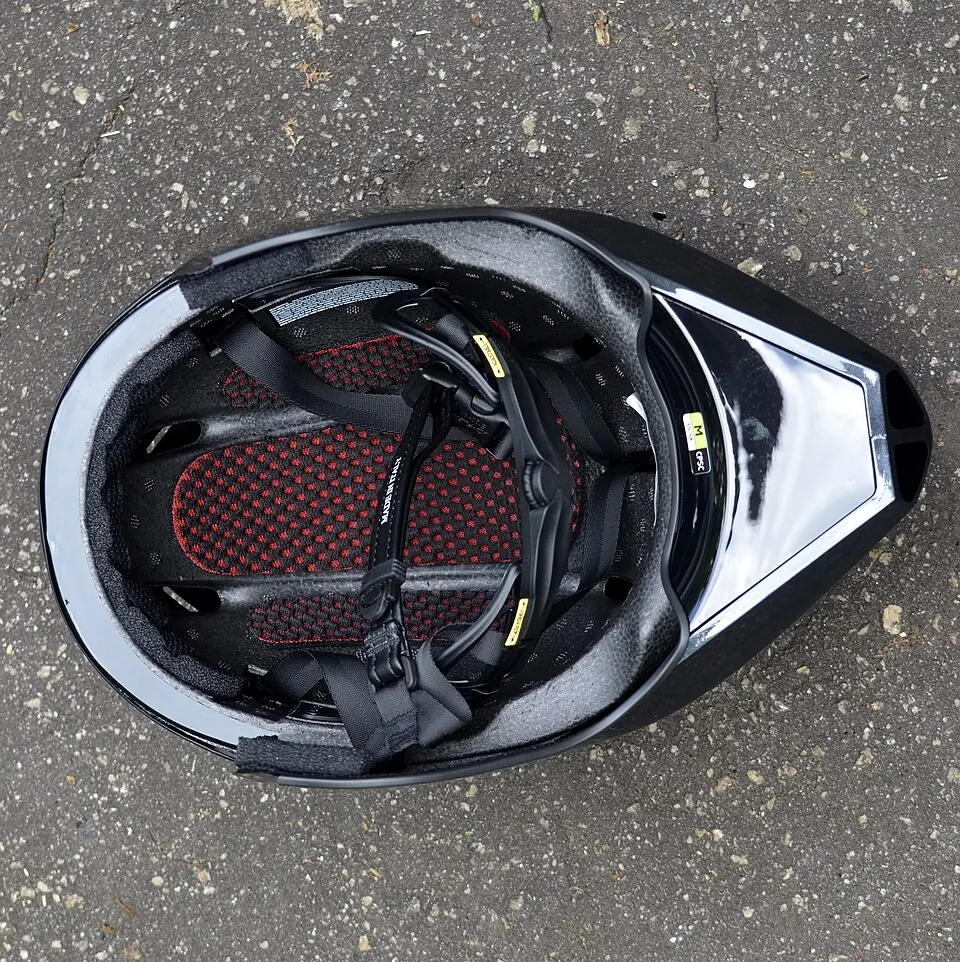
A helmet is sized by one number: the circumference of your head. Get that number right, choose the size from the maker's own table, and the adjustment does the rest. Get it wrong, and no amount of tightening makes the helmet sit as its maker intended.
Where to measure
Use a soft tape measure, or a piece of string you can lay against a ruler afterwards.
- Stand in front of a mirror so you can see where the tape goes.
- Place the tape round your head about a finger's width above your eyebrows.
- Take it back above your ears, keeping it level, and round the back of your head at its fullest point.
- Pull it snug, flattening your hair, but not tight.
- Read the figure in centimetres.
Measure two or three times, moving the tape slightly up and down at the back each time. The largest reading is your head circumference. If you have thick hair, or wear it tied up when you ride, measure the way you will wear it under the helmet.
Why the maker's table matters
Helmet sizes are usually written as letters, as a range in centimetres, or both, and the ranges differ from one maker to the next. A small from one maker can overlap with a medium from another. Some helmets come in a single size and rely on their adjustment to cover a range of heads.
The fit finder reads each maker's own table. Enter your head measurement once, and every helmet in helmets shows the size to order. If your measurement is within half a centimetre of the line between two sizes, you see both: the larger as room to layer, the smaller as close fit. For a helmet, think about what you wear underneath (more on that below) and how far the fit system adjusts.
If a helmet says "Not made in your size", the maker's table does not cover your measurement. Choose another helmet rather than trying to make that one work.
The fit system at the back
Most cycling helmets have a cradle that wraps round the back of the head, tightened with a dial or a slider. The dial fine-tunes the fit within the size range; it does not change the size.
A typical way to set it:
- Open the dial fully.
- Put the helmet on level, with the front edge low on your forehead rather than tipped back.
- Turn the dial until the helmet feels snug all round without pressing anywhere.
- Shake your head gently. The helmet should move with your head, not slide on it.
Many fit systems also adjust in height at the back, so the cradle can sit under the curve at the back of your skull. Systems differ, so follow the maker's instructions for your helmet, including how low the front edge should sit.
Pads
Helmets have foam or fabric pads inside. Some come with spare pads, sometimes in more than one thickness, so you can fine-tune the fit or replace pads as they wear. Thicker pads take up a little room, which can help a helmet that is only just loose. On many helmets the pads come out for washing; check the care notes before you wash them.
Straps: the V under the ears
The front and rear side straps meet below each ear. Adjust the sliders so the straps form a V just below your ear lobe, with each strap lying flat and untwisted.
Then the chin strap. Fasten the buckle under your jaw and tighten it until you can fit about two fingers between the strap and your chin. Open your mouth wide: you should feel the helmet pull down a little. If it does not, tighten the strap a touch. If it pinches or presses on your throat, loosen it. Follow the maker's instructions where they differ from this.
Caps and headwear under a helmet
A cycling cap, thin beanie or headband under a helmet takes up room, and in winter a thermal cap can be the difference between a helmet that fits and one that sits high on your head.
If you plan to wear something under the helmet:
- measure your head with it on, or lean towards room to layer when you are between sizes
- check that the fit system has enough range to loosen over the cap and tighten again without it
- choose thin, close-fitting headwear without bulky seams or a bobble
Where caps and headwear are sized by head circumference, the same measurement in the fit finder works for both.
Glasses, lights and other extras
If you ride in glasses, try the helmet with them on. The arms should sit comfortably alongside the straps and the fit system without being pushed into your head.
If you want a light on your helmet, check how the helmet maker allows one to be fitted before you buy. Our guide to lights and reflective kit covers where lights go, and you will find them in lights.
After a crash, and as it ages
A helmet that has taken a knock may be damaged in ways you cannot see. Follow the maker's instructions on when to replace it, both after a crash and as it ages. The same goes for cleaning and care: some solvents, paints and stickers can affect the shell or the foam, so use only what the maker suggests.
Keep your measurement to hand
Your head measurement stays in the fit finder until you remove it: in a cookie on this browser if you are a guest, or in your account if you are signed in. "Forget my measurements" clears it at any time.
Try a new helmet on indoors and keep the labels on until you are happy with it. You can return unused items within 30 days of delivery; Shipping and returns explains how, and the questions page covers sizing between two makers.
Measured? Save it once and every product shows your size.
Find my sizes