Sizing · 5 min read
How to measure your hand for cycling and running gloves
Measure round your knuckles, read the maker's own size table and choose between two sizes with liners in mind, for running and cycling gloves alike.
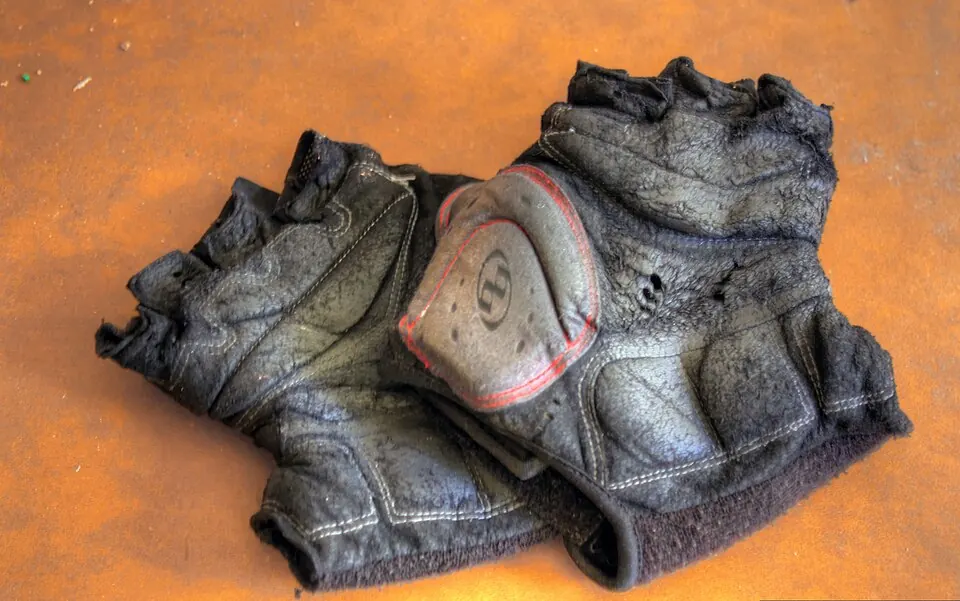
Gloves are one of the few things you wear where a single centimetre changes how they feel. Too tight and your fingers go cold and stiff on a winter morning; too loose and the fabric bunches under your palm on the bars or flaps at the fingertips when you run. Measuring a hand takes a minute, and the number you get is far more useful than the letter on a label.
What you need
A soft tape measure is easiest. If you do not have one, a piece of string or a narrow band of paper and a ruler work just as well. You also need a pen and somewhere flat to lay the string out.
Measure round the knuckles
Most glove makers size by hand circumference: the distance round your hand at its widest point, across the palm.
- Hold your hand out flat, with the fingers together and the thumb relaxed out to the side.
- Wrap the tape round your hand across the knuckles, where the fingers join the palm. Leave the thumb out of the loop.
- Keep the tape snug against the skin without pulling it in. It should lie flat all the way round, with no twist.
- Read the figure where the tape meets its start. With string, mark the point with a pen, then lay the string flat along a ruler.
Write the figure down in centimetres, to the nearest half centimetre if you can.
Use your dominant hand, and measure twice
Your writing hand is often a little larger than the other one. Measure that hand, because a glove that fits the bigger hand will fit both.
Then measure again. It is easy to pull the tape a fraction tighter the second time, or to let it slide towards the wrist. If the two readings differ, measure a third time and use the figure that comes up twice. Small differences matter here, because the rows on a glove size table are narrow.
Hand length as a second check
Some makers also give a hand length in their table. It runs from the crease where your wrist meets your palm to the tip of your middle finger, measured with the hand flat. Length is a secondary check: if your fingers are long or short for the width of your hand, it tells you whether the fingers of a glove will reach the ends or leave empty fabric.
The fit finder sizes gloves by circumference, because that is the measurement makers size by. If you know your fingers are long for your hand, keep it in mind when you are between two sizes: longer fingers usually suit the larger one.
EN 420 sizes
Some gloves carry a number rather than a letter, such as 7, 8 or 9. These come from EN 420, a European standard for gloves, which sets out numbered hand sizes based on circumference and length. Where a maker uses those numbers, you will see them in that maker's size table.
Not every maker uses EN 420, and letter sizes are not fixed: one maker's medium can be another maker's large. That is why the fit finder never converts between brands. It reads each maker's own table and shows the row your measurement falls in.
Using the fit finder
Enter your hand measurement in the fit finder and every pair of gloves in the shop shows the size to order from its maker's table. If you have not added a hand measurement yet, glove pages show "Add your hand measurement" instead of a size.
When your measurement sits within half a centimetre of the line between two rows, you see both sizes. The larger is marked room to layer and the smaller close fit. Neither is wrong; the choice depends on how you wear the gloves.
Between sizes, and liners
Choose the larger size when:
- you plan to wear a thin liner glove underneath on cold days
- the glove is a thick winter glove with a lot of padding or insulation
- you like a little room at the fingertips
Choose the smaller size when:
- the glove is a thin summer glove, or a running glove you wear on its own
- you want a precise feel on the brake levers or a phone screen
- the fabric stretches and the maker says so, as many knitted and fleece gloves do
Liners are worth a word. A thin liner under an outer glove gives you a layer you can take off as you warm up, and lets you keep a glove on while you use your phone. If you wear the two together, size the outer glove to fit over the liner, and choose room to layer when the fit finder offers it.
Running gloves and cycling gloves fit differently
Running gloves are usually light and stretchy, and worn for warmth in the first part of a run. A slightly looser fit is fine, and many runners take them off and tuck them into a pocket or waistband once they warm up. Touchscreen fingertips are common, so check where they sit on your fingers.
Cycling gloves have a harder job. Your hands are bent round the bars for hours, so a glove that feels right with your hand flat can pull across the back of the knuckles when you grip. Padding on the palm takes up room too. When you try cycling gloves, close your hand as if you were holding the bars and check that the fabric does not pull tight at the knuckles or bunch in the palm. Full-finger winter gloves need a little room at the fingertips so you can still feel the levers; fingerless summer mitts should sit snug so they do not shift.
Wrists and warmers
Check the cuff as well. A running glove should overlap your sleeve so there is no gap at the wrist, and a cycling glove's cuff should sit comfortably under or over the cuff of your jacket. If you wear arm warmers, sleeves and warmers are sized by the upper arm, which you can add to the fit finder at the same time.
If the size is not right
Try new gloves on indoors with clean hands, and keep the labels on until you are sure. You can return unused items within 30 days of delivery; Shipping and returns explains how. For more on how the fit finder reads size tables, see the questions page, and if a helmet is next on your list, read helmet sizing.
Measured? Save it once and every product shows your size.
Find my sizes